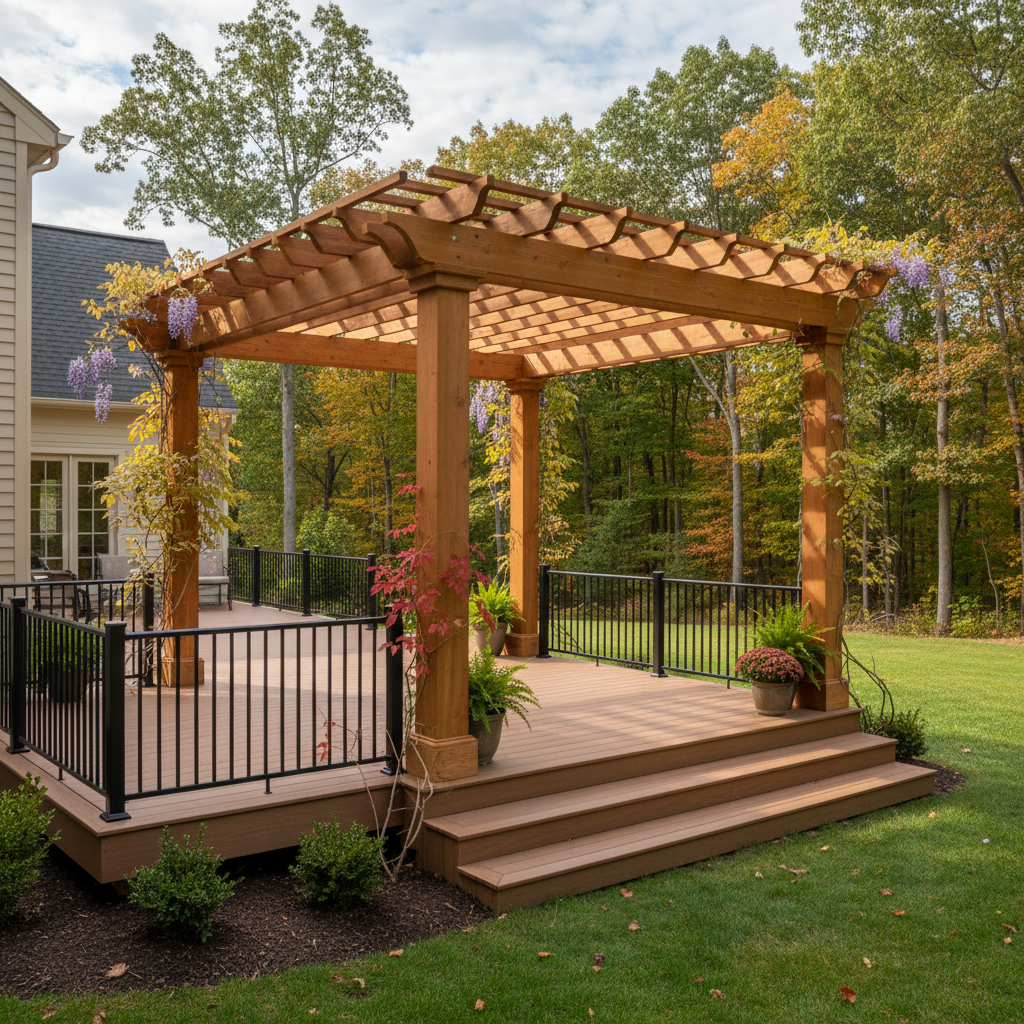
You're dreaming of that perfect outdoor living space, a spot in your backyard where you can find some shade and add a touch of style. A pergola is an excellent choice for this, but if you live in Hamden, you can't just pick any random day to start building. Our local climate, with its pretty wild swings, means you really need to think smart about when to schedule the work and, just as important, how to keep it looking good once it's done.
The Best Time to Build Your Hamden Pergola
Honestly, the sweet spot for getting a pergola built around here is usually late spring right through early fall. We're talking May, June, September, and even into early October. Why then, you ask? Well, there are a few good reasons. First off, the ground has had a chance to thaw out and dry up after winter and all those spring rains. Trying to dig footings in saturated, muddy soil is just a huge pain, and it can actually mess with how stable your posts will be later on. We've got a lot of clay in some parts of Hamden, like over near Whitneyville, and that stuff holds water like nobody's business. You definitely don't want to rush that part.
Second, those months typically give us more consistent, moderate temperatures. Wood, especially, behaves much better when it's not freezing cold or scorching hot. Adhesives cure properly, and stains and sealants go on a lot more evenly. Besides, who wants to be out there working in 90-degree humidity or shivering in a 40-degree wind? Not us, and certainly not you if you're tackling it yourself.
Now, while those are the ideal times, we do work year-round whenever the weather allows. If you're already planning for next spring, it's a smart move to get on the schedule with Midway Decking in late winter or early spring. That way, you'll be right at the front of the line once the good weather finally arrives.
Weather Conditions That Affect Pergola Construction
Our famously unpredictable New England weather is always the biggest factor. Here's what we're constantly keeping an eye on:
- Rain: This one's pretty obvious, right? We can't be out there cutting and assembling during a downpour. More crucially, fresh concrete footings need time to cure without getting washed out. Also, putting stain or sealant on wet wood is a definite no-go; it won't absorb correctly, and you'll end up with a splotchy mess that won't protect anything at all.
- Wind: When you're handling long beams and rafters, a strong gust can be downright dangerous. We're often working with ladders and heavy materials, so safety is always our top priority. We'll pause or reschedule if the wind speeds are too high — no question.
- Temperature Extremes: Like I mentioned, extreme cold affects how concrete cures and how well finishes stick. Extreme heat can make wood swell, and frankly, it's just plain miserable for the crew. We really aim for that sweet spot of 50-80 degrees Fahrenheit for most of the work.
- Humidity: High humidity can definitely slow down how fast stains and sealants dry. It's not usually a deal-breaker, but it does mean we might need to adjust our schedule to make sure everything's completely dry before moving on to the next step.
Protecting Your Pergola Investment Year-Round
Once your beautiful new pergola is standing tall, you'll want to keep it looking that way. It's a significant investment, and our Hamden seasons can be pretty tough on outdoor structures.
First off, regular cleaning is absolutely key. Just like your deck, your pergola will gather dirt, pollen, and mildew. A simple wash with a mild detergent and water, maybe a soft brush, once or twice a year will make a huge difference. Pay close attention to any nooks and crannies where leaves or other debris might pile up, especially after the fall foliage drops. That stuff holds moisture, which, you guessed it, leads to rot.
Next, re-sealing or re-staining. If you've got a wood pergola, this isn't optional. Depending on the product we used, you're probably looking at every 2-3 years, maybe even more often for horizontal surfaces that get more direct sun and rain. The finish acts as your pergola's armor against UV rays, moisture, and pests. Don't let it wear down to bare wood. You'll know it's time when water stops beading on the surface — that's your cue.
For composite pergolas, maintenance is much lower, but it's still not zero. You'll still want to clean them to prevent mildew and keep them looking fresh. Check for any loose fasteners or connections annually, especially after a harsh winter with heavy snow loads. Speaking of snow, while pergolas are built to handle some weight, if we get one of those monster Nor'easters with feet of wet, heavy snow, it's not a bad idea to carefully clear some of it off the top if you can do so safely. That extra weight can really stress the structure over time.
Finally, just a quick visual inspection. Take a walk around your pergola a few times a year. Look for any signs of rot, splintering, or insect activity. Catching small problems early can save you a lot of headache and expense down the road. If you spot anything concerning, please don't hesitate to give us a call at Midway Decking. We're always happy to take a look and offer some advice.
Ready to Plan Your Pergola?
Building a pergola is exciting, and with just a little planning around our local climate, you'll have a beautiful, long-lasting addition to your home. Think ahead, maintain it well, and you'll be enjoying that shaded spot for many years to come.